
Paint protection film is worth considering if keeping your vehicle’s paint in excellent condition matters to you. It is especially useful when your paint is still in good shape, and you want to protect it from the chips and surface damage that come with regular driving.
But PPF is a significant purchase, and the right answer depends on your vehicle, your expectations, and how much coverage you choose. At Ray’s Luxury Detailing, the conversation starts with what you want to preserve and which parts of your car face the most wear.
For an introduction to the material and how it works, start with our complete paint protection film guide.
Who Benefits The Most From Paint Protection Film?
Owners who care about their vehicle’s appearance and plan to keep driving it often have the clearest reason to invest. A new car is a good candidate because the film can protect the finish before everyday damage accumulates. A used vehicle can also be a good candidate when its paint remains sound.
Highway driving is another consideration. If your commute regularly puts you behind trucks or other vehicles throwing up debris, protecting exposed panels may matter more than it would on a car driven occasionally and kept indoors.
Ray emphasizes that the benefit belongs to the person who owns and maintains the vehicle. They get to enjoy the preserved finish while driving it, rather than thinking only about a future sale.
Is PPF Only for New Cars?
Paint protection film is not limited to new vehicles. PPF preserves the surface beneath it. It does not repair peeling clear coat, deep chips, or failing paint. A well-maintained used vehicle can also be an excellent candidate when the existing paint is in good condition. If a vehicle already has substantial damage, addressing that condition should come before deciding whether to cover it.. Ultimately, the condition of the paint and your desire to preserve it matter more than the vehicle’s age.
Age alone does not rule a car out. The important question is whether there is a finish worth preserving and whether the cost fits your plans. If minor cosmetic wear does not bother you, a large PPF package may offer less personal value.
If your main goal is easier washing, it is worth understanding how paint protection film vs ceramic coating can differ before choosing a service. While both can help protect your vehicle, they are designed to solve different problems.
Does Paint Protection Film Pay for Itself?
There is no mileage threshold or guaranteed financial return. PPF can help avoid some paint repairs, but savings depend on the damage you would otherwise experience, the installation price, and any future film replacement.
During our interview, Ray described removing front-end film from a customer’s vehicle with approximately 200,000 miles. He said the protected paint still looked remarkably fresh. That example illustrates what preserving a finish can look like over time, but it is an individual result, not a promise for every vehicle.
Well-kept paint can make a car more appealing to a buyer. PPF does not cancel out depreciation or guarantee that you will recover its cost at resale.
You Do Not Have to Protect the Entire Car
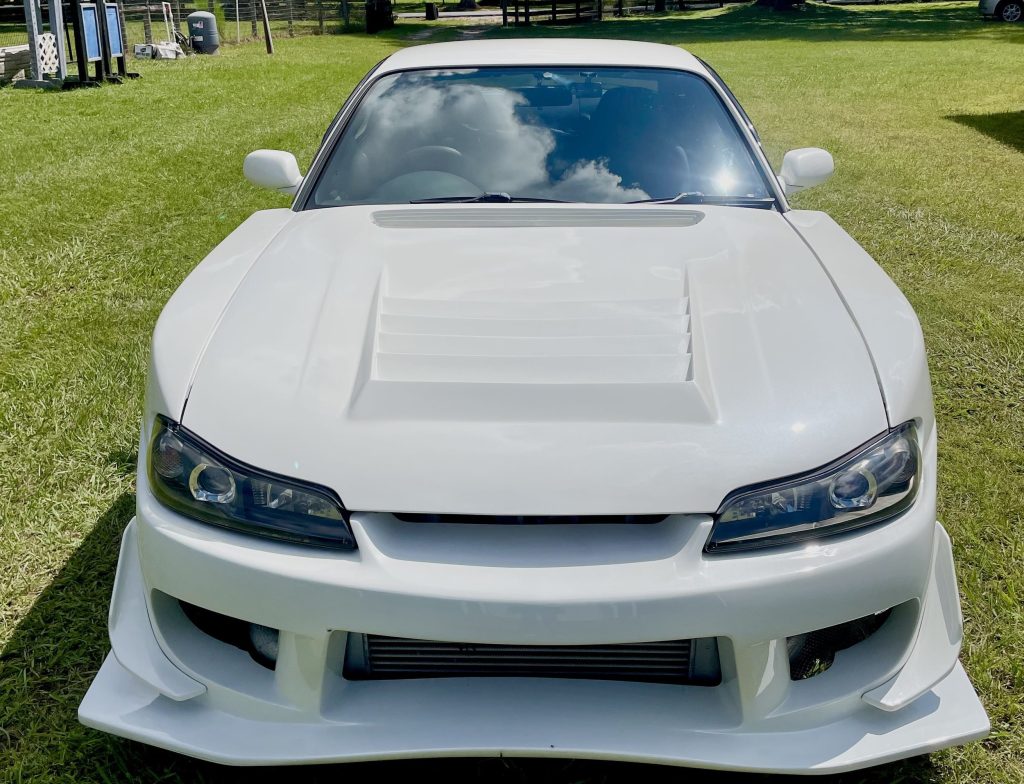
For many drivers, the front bumper, hood, and other exposed front panels are the priority. Ray identifies full front-end coverage as the most popular choice at his shop. Individual panels are also an option when you want to focus your spending.
Our guide to which parts of your vehicle to protect with PPF explains how to choose coverage around your driving habits and budget.
Choosing the Right Paint Protection Film for Your Tampa Vehicle
Choosing paint protection film for your vehicle makes the most sense when you have paint you want to preserve, have realistic expectations, and a coverage plan that fits your priorities. Contact Ray’s Luxury Detailing in Tampa to discuss your vehicle’s condition and the panels you want to protect.