

If you’ve recently purchased a new vehicle, or simply want to keep your current one looking showroom new, you’ve probably heard about Paint Protection Film, commonly known as PPF. As more Tampa drivers invest in new cars, trucks, SUVs, and luxury vehicles, Paint Protection Film has become one of the most effective ways to preserve a vehicle’s appearance, protect its factory finish, and maintain its value.
Florida presents unique challenges for vehicle owners. Intense UV rays, flying road debris, frequent rain, love bugs, bird droppings, tree sap, and everyday highway driving all take a toll on your vehicle’s paint. Even careful drivers eventually notice rock chips on the front bumper, scratches around the door handles, fading paint, and other signs of wear that can make a newer vehicle look years older.
Paint Protection Film provides a level of protection that traditional waxes and sealants simply can’t match. Unlike ceramic coatings, which primarily protect against environmental contaminants, PPF creates a durable physical barrier between your vehicle’s paint and the hazards it encounters every day.
At Ray’s Luxury Detailing, protecting vehicles has always been about delivering the highest level of quality possible. After more than a decade of providing professional detailing, paint correction, and ceramic coating services, adding Paint Protection Film Installation was the natural next step in offering customers the best protection available.
Whether you drive a brand-new luxury vehicle, a lifted truck, a family SUV, or your daily commuter, this guide will explain everything you need to know before investing in Paint Protection Film.
What You’ll Learn
In this guide, we’ll cover:
- What Paint Protection Film is
- How PPF protects your vehicle
- Why it has become so popular
- Whether it’s worth the investment
- Which parts of your vehicle should be protected
- PPF vs. ceramic coating
- The installation process
- Maintenance and longevity
- How to choose the right installer
Let’s start with the basics.
What Is Paint Protection Film?
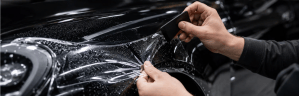
Paint Protection Film (PPF) is a transparent, extremely durable urethane film that is professionally installed over your vehicle’s painted surfaces. Although many people compare it to vinyl wrap, the two products serve very different purposes.
A vinyl wrap is designed to change the appearance of a vehicle by adding color or graphics. Paint Protection Film is designed for one purpose: protecting your factory paint.
Modern PPF is thick, crystal clear, and nearly invisible once installed. It acts as a sacrificial barrier that absorbs damage before it reaches your vehicle’s paint.
Paint Protection Film helps protect against:
- Rock chips
- Road debris
- Minor scratches
- Swirl marks
- Road rash
- Love bug damage
- Bird droppings
- Tree sap
- UV exposure
- Everyday wear and tear
Simply put, PPF keeps your vehicle looking newer for longer.
One of the biggest improvements in modern Paint Protection Film is its appearance. Earlier generations of PPF were known for yellowing, cracking, and becoming noticeable over time. Today’s premium films offer exceptional clarity, resist discoloration, and are virtually invisible when installed correctly.
How Does Paint Protection Film Work?
Think of Paint Protection Film as body armor for your vehicle.
Instead of rocks, gravel, shopping carts, road debris, or accidental scratches damaging your factory paint, they impact the protective film first.
Because the film is significantly thicker than traditional paint protection products, it absorbs impacts that would otherwise chip or scratch the vehicle’s finish.
Modern Paint Protection Film also protects against environmental damage, including:
- UV rays
- Oxidation
- Water spotting
- Bug splatter
- Bird droppings
- Tree sap
- Chemical contaminants
Many premium films also feature self-healing technology.
Minor scratches disappear when exposed to heat from the sun or warm water, allowing the surface to return to its original smooth finish. This helps the vehicle maintain a freshly detailed appearance for years.
Why Has Paint Protection Film Become So Popular?
Not long ago, Paint Protection Film was something you typically saw only on exotic cars and high-end sports cars.
Today, it’s becoming common on everything from pickup trucks and SUVs to family vehicles and daily drivers.
There are several reasons for its growing popularity.
First, vehicles are more expensive than ever. Whether someone buys a luxury vehicle or a new family SUV, protecting that investment makes financial sense.
Second, today’s Paint Protection Film is dramatically better than it was years ago. Premium films are clearer, stronger, longer lasting, and backed by manufacturer warranties.
Finally, many vehicle owners have realized it’s far less expensive to protect paint than it is to repaint damaged panels later.
Instead of repairing rock chips, scratches, and fading after they occur, PPF prevents much of that damage from happening in the first place.
Why Tampa Vehicles Need Paint Protection More Than Most
Florida is one of the harshest environments in the country for automotive paint.
The combination of intense sunlight, year-round UV exposure, highway driving, afternoon rainstorms, insects, and airborne debris constantly attacks your vehicle’s finish.
Love bugs are particularly damaging. Their acidic residue can permanently etch automotive paint if left on the surface for several days.
Bird droppings, tree sap, and water spotting create additional challenges for Florida drivers.
Paint Protection Film provides an extra layer of defense against these hazards while helping preserve the vehicle’s original finish.
When driving in harsh environments like Tampa, car paint protection film provides an extra layer of defense against intense UV rays, road debris, insects, and other hazards that can take a toll on your vehicle’s finish.
The areas that typically experience the most damage include:
- Front bumper
- Hood
- Front fenders
- Side mirrors
- Rocker panels
- Door cups
- Trunk loading edge
These are also the areas most commonly protected with Paint Protection Film because they receive the greatest amount of daily wear from driving.
Is Paint Protection Film Worth It?
One of the most common questions vehicle owners ask is whether Paint Protection Film is really worth the investment. The answer depends on how long you plan to keep your vehicle and how important its appearance is to you.
If you want to preserve your vehicle’s factory finish, protect it from everyday damage, and maintain its resale value, Paint Protection Film is one of the smartest investments you can make.
Unlike cosmetic upgrades that simply change a vehicle’s appearance, PPF helps prevent expensive paint damage before it happens. Every mile you drive exposes your vehicle to rocks, gravel, road debris, insects, and other hazards that slowly chip away at the paint. Once that damage occurs, repairing it often requires paint correction or repainting, both of which can be costly.
Paint Protection Film allows you to enjoy your vehicle without constantly worrying about every rock on the highway or every shopping cart in the parking lot.
For many owners, the peace of mind alone is worth the investment.
Who Should Consider Paint Protection Film?
Many people assume Paint Protection Film is only for exotic sports cars or luxury vehicles. While those vehicles certainly benefit from PPF, they’re far from the only ones.
Paint Protection Film is an excellent option for anyone who wants to keep their vehicle looking its best.
Some of the best candidates include:
- Owners of brand-new vehicles
- Drivers purchasing a certified pre-owned vehicle in excellent condition
- Luxury and performance vehicle owners
- Pickup truck owners
- Daily commuters
- Lease vehicle drivers
- Families planning to keep their vehicle for many years
Even if your vehicle is a few years old, it may still be an excellent candidate for Paint Protection Film if the paint is in good condition. Protecting it now can prevent future damage and help preserve its appearance for years to come.
If you spend a lot of time driving on highways, your vehicle is especially vulnerable to rock chips and road debris. PPF helps absorb that damage before it reaches your factory paint.
Is Paint Protection Film Only for Luxury Vehicles?
Absolutely not.
While luxury vehicles were among the first to receive Paint Protection Film, today’s PPF is installed on vehicles of every type and price range.
Whether you drive a Ford F-150, Toyota Camry, Chevrolet Tahoe, Honda Civic, Tesla Model Y, or Porsche 911, the paint is exposed to the same hazards every day.
In fact, many everyday drivers benefit even more because they spend significantly more time on the road.
Every vehicle can suffer from:
- Rock chips
- Highway debris
- Door handle scratches
- Love bug damage
- Bird droppings
- UV exposure
- Swirl marks
Paint Protection Film protects all of them equally.
If you care about keeping your vehicle looking newer for longer, PPF is worth considering regardless of what badge is on the hood.
Is Paint Protection Film Worth It for a Lease?
Many people don’t think about protecting a leased vehicle because they won’t own it forever.
However, Paint Protection Film can actually save money at the end of the lease.
Lease inspections often include charges for excessive paint damage, scratches, chips, and cosmetic wear. Because PPF shields the original paint from many of these issues, it can help reduce unexpected charges when it’s time to return the vehicle.
In addition, leased vehicles are often driven every day. Protecting the front bumper, hood, mirrors, and other high-impact areas helps the vehicle stay in much better condition throughout the lease term.
How Paint Protection Film Helps Preserve Resale Value
One of the biggest advantages of Paint Protection Film is preserving your vehicle’s original factory paint.
When buyers shop for used vehicles, condition matters. A vehicle with clean, original paint typically commands a higher value than one covered in chips, scratches, and faded clear coat.
Because PPF absorbs much of the everyday wear instead of the paint itself, the original finish underneath remains remarkably well preserved.
Professional installation also demonstrates that the owner invested in protecting the vehicle from the beginning. Buyers often recognize this as a sign that the vehicle has been properly maintained.
Whether you’re trading in your vehicle or selling it privately, better-looking paint can translate into stronger offers and a faster sale.
Real Examples of Paint Protection Film in Action
One customer experienced the value of Paint Protection Film firsthand when trading in a Honda Accord. During the inspection, the dealership noticed the professionally installed PPF protecting the front of the vehicle. Because the paint remained in excellent condition, the dealership increased the trade-in offer by approximately $3,000.
Door handle protection offers another example of PPF’s long-term value. Over the years, fingernails, keys, and rings often leave scratches behind the door handles. Vehicles protected with small pieces of Paint Protection Film in these areas frequently reveal paint that still looks brand new when the film is eventually removed.
These real-world examples demonstrate why so many vehicle owners consider Paint Protection Film an investment rather than an expense.
Which Parts of Your Vehicle Should You Protect First?
One of the biggest advantages of Paint Protection Film is that it can be customized to fit your vehicle, your driving habits, and your budget. While some owners choose to protect their entire vehicle, others focus on the areas that experience the most wear.
If you’re unsure where to start, the front of your vehicle should always be the top priority.
Every mile you drive sends rocks, gravel, road debris, and insects toward the front-facing surfaces of your vehicle. Over time, these impacts create chips, scratches, and other imperfections that are difficult and expensive to repair.
Protecting these high-impact areas early helps preserve your vehicle’s appearance and reduces the likelihood of future paint repairs.
The Front Bumper Takes the Most Abuse
If there is one panel that benefits most from Paint Protection Film, it’s the front bumper.
Your bumper absorbs nearly everything the road throws at it. Rocks kicked up by other vehicles, road debris, love bugs, and minor abrasions all make contact with the front bumper before any other painted surface.
Without protection, it’s often the first area to show its age.
Installing Paint Protection Film on the front bumper creates a durable barrier that helps prevent rock chips, scratches, bug stains, and other everyday damage while preserving the factory finish underneath.
The Hood Is Another High-Impact Area
The hood experiences constant exposure to the elements.
Flying debris, bird droppings, tree sap, bug splatter, and intense Florida sunshine all contribute to paint deterioration over time.
Even routine washing can introduce swirl marks if the paint is left unprotected.
Adding Paint Protection Film to the hood helps keep one of the vehicle’s largest painted surfaces looking glossy and free from chips and scratches for years.
Don’t Forget the Fenders and Side Mirrors
The front fenders and side mirrors are often overlooked, but they receive a surprising amount of abuse.
Road debris thrown from your own tires and vehicles traveling beside you frequently strikes these areas. Mirrors are especially vulnerable because they protrude from the body and are constantly exposed while driving.
Including these panels in a protection package creates a more complete shield for the front of the vehicle and helps maintain a uniform appearance over time.
Areas That Many Owners Overlook
While front-end protection receives the most attention, there are several smaller areas that can benefit significantly from Paint Protection Film.
One of the most common is the door cup, the recessed area behind the door handle. Fingernails, rings, and keys repeatedly contact this surface every time the door is opened, often leaving scratches that become more noticeable over the years.
Another commonly overlooked area is the rear bumper loading edge. Groceries, luggage, golf clubs, strollers, and other cargo can easily scrape the painted surface when loading and unloading the vehicle.
For truck owners, the rocker panels and lower body panels are especially vulnerable to rocks and debris kicked up by the tires.
Adding protection to these smaller high-contact areas is an affordable way to prevent damage that many vehicle owners don’t notice until it’s too late.
Understanding Front-End Protection Packages
Most customers choose one of two popular options: a partial front package or a full front package.
A partial front package is designed to protect the areas that receive the most direct impact while keeping the investment more affordable. It typically includes:
- Front bumper
- Front portion of the hood
- Optional side mirrors
This option provides excellent protection for many daily drivers and offers an economical entry point into Paint Protection Film.
A full front package provides more comprehensive coverage and is one of the most popular choices for new vehicle owners.
It generally includes:
- Front bumper
- Full hood
- Both front fenders
- Side mirrors
Because these panels receive the majority of road debris during everyday driving, a full front package delivers significantly more protection while maintaining a seamless appearance across the front of the vehicle.
For many owners, it offers the best balance between cost and long-term protection.
Is Full-Body Paint Protection Film Worth It?
For those who want the highest level of protection available, a full-body installation provides complete coverage of every painted surface on the vehicle.
This option is especially popular among owners of luxury vehicles, exotic cars, collector vehicles, and anyone planning to keep their vehicle for many years.
With full-body Paint Protection Film, nearly every painted panel is protected from:
- Rock chips
- Road debris
- Minor scratches
- Swirl marks
- Bug splatter
- Bird droppings
- Tree sap
- UV exposure
- Everyday wear
Many owners choose full-body protection because it allows them to enjoy driving their vehicle without constantly worrying about damaging the paint.
Although it represents a larger investment upfront, full-body PPF provides unmatched peace of mind and helps preserve the vehicle’s appearance for years to come.
Can Paint Protection Film Be Customized?
Absolutely.
One of the greatest advantages of Paint Protection Film is its flexibility.
Every driver has different priorities. Some want complete coverage, while others simply want to protect the areas most likely to be damaged.
A professional installer can customize a package to match your needs, whether you’re protecting:
- A single bumper
- Door handle cups
- Headlights
- Rocker panels
- The full front end
- The entire vehicle
During a consultation, you’ll discuss your driving habits, where your vehicle is exposed to the most damage, and your budget to determine the protection package that’s right for you.
The goal isn’t to sell the largest package possible. It’s to recommend the level of protection that makes the most sense for how you use your vehicle.
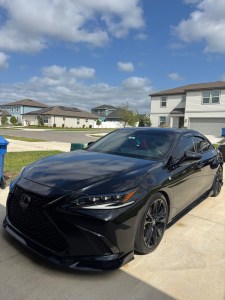
Paint Protection Film vs. Ceramic Coating
One of the most common questions vehicle owners ask is whether they should choose Paint Protection Film or a ceramic coating.
The truth is, they aren’t competing products. They serve different purposes and, in many cases, work even better together.
Understanding the differences will help you choose the protection that’s right for your vehicle.
What Is a Ceramic Coating?
A ceramic coating is a liquid polymer that bonds to your vehicle’s paint, creating a durable protective layer over the surface.
Its primary purpose is to protect against environmental contaminants while making the vehicle easier to clean.
A ceramic coating provides benefits such as:
- Increased gloss and shine
- Water repellency
- Easier cleaning
- UV protection
- Chemical resistance
- Reduced water spotting
Because dirt and water have difficulty sticking to a ceramic-coated surface, routine maintenance becomes much easier.
However, while ceramic coatings offer excellent environmental protection, they do not provide significant protection against physical impacts.
What Makes Paint Protection Film Different?
Paint Protection Film goes a step further by providing a physical barrier over your vehicle’s paint.
Instead of simply coating the surface, PPF creates a thick layer that absorbs impacts before they reach the paint underneath.
This allows it to protect against damage that ceramic coatings cannot prevent, including:
- Rock chips
- Road debris
- Scratches
- Road rash
- Minor abrasions
- Everyday impacts
Many premium Paint Protection Films also feature self-healing technology that allows light scratches to disappear when exposed to heat.
Simply put, ceramic coating protects the surface of your paint, while Paint Protection Film protects the paint itself.
Which Provides Better Protection?
If your primary concern is preventing physical damage, Paint Protection Film is the clear winner.
No ceramic coating can stop a rock traveling at highway speed from chipping your paint.
No wax or sealant can prevent scratches from road debris.
Paint Protection Film is specifically engineered to absorb those impacts before they damage your vehicle’s finish.
That doesn’t mean ceramic coating isn’t valuable. It simply protects against different types of damage.
Ceramic coatings excel at defending against:
- UV exposure
- Water spots
- Dirt buildup
- Bird droppings
- Tree sap
- Chemical contaminants
Paint Protection Film adds protection from physical impacts while also helping defend against many of the same environmental hazards.
Which Should Be Installed First?
If you’re planning to install both, Paint Protection Film should always be installed first.
Because PPF bonds directly to the vehicle’s paint, the surface must be completely clean and free of any existing coatings.
After the Paint Protection Film has been installed and properly cured, a ceramic coating can be applied over the film.
This combination provides the best of both worlds.
The Paint Protection Film absorbs impacts that could otherwise damage your paint, while the ceramic coating creates a slick, hydrophobic surface that repels water, dirt, and contaminants.
Why Many Vehicle Owners Choose Both
Many customers choose to combine Paint Protection Film with a ceramic coating because each product complements the other.
The Paint Protection Film serves as the vehicle’s armor, protecting against rock chips, scratches, and road debris.
The ceramic coating acts as the finishing layer, making the vehicle easier to wash while enhancing gloss and helping water bead off the surface.
Together, they provide:
- Maximum paint protection
- Easier maintenance
- Better resistance to environmental contaminants
- Improved appearance
- Longer-lasting protection
- A consistently cleaner vehicle
For owners who want the highest level of protection available, combining both products offers a complete solution.
Which Option Is Right for You?
The right choice depends on your goals.
If your biggest concern is keeping your vehicle clean and glossy with less maintenance, a ceramic coating may be the right fit.
If your priority is protecting your paint from rock chips, scratches, and everyday road hazards, Paint Protection Film offers a level of protection that no coating can match.
For many Tampa drivers, especially those purchasing a new vehicle, the ideal solution is to install Paint Protection Film on the areas most vulnerable to damage and then apply a ceramic coating over the film and the remaining painted surfaces.
This approach delivers outstanding protection, exceptional appearance, and easier maintenance, making it one of the most popular options for preserving a vehicle’s finish over the long term.
Frequently Asked Questions
Can I choose only one?
Absolutely. Every vehicle owner has different goals and budgets. Some customers choose only a ceramic coating for easier maintenance and enhanced gloss, while others prioritize Paint Protection Film because they want maximum protection against rock chips and scratches. During your consultation, your installer can recommend the option that best fits your driving habits, the condition of your vehicle, and how long you plan to keep it.
The Paint Protection Film Installation Process
Installing Paint Protection Film is a highly specialized process that requires precision, patience, and attention to detail. While the finished product may appear simple, achieving a nearly invisible installation involves hours of careful preparation and expert craftsmanship.
Every vehicle is different, which is why professional installation always begins with a consultation.
What Happens During the Initial Consultation?
The consultation is an opportunity to discuss your goals and determine the best protection package for your vehicle.
During this appointment, your installer will evaluate the vehicle’s condition, identify any existing paint damage, and recommend the areas that would benefit most from Paint Protection Film.
Topics typically discussed include:
- Which panels you want to protect
- Your driving habits
- Whether the vehicle has existing scratches or rock chips
- Whether paint correction is recommended before installation
- The different package options available
- Expected installation time
- Pricing and warranty information
A professional consultation ensures there are no surprises and helps you choose the level of protection that best fits your needs and budget.
Why Proper Paint Preparation Matters
Many people assume applying Paint Protection Film is the most important part of the process.
In reality, preparation is what determines the quality of the final result.
Before any film is installed, the paint must be thoroughly cleaned and decontaminated. Any dirt, dust, wax residue, or imperfections left on the surface can become trapped beneath the film.
If contamination is sealed underneath the PPF, it can affect both the appearance and the longevity of the installation.
Depending on the condition of the vehicle, preparation may include:
- Thorough hand washing
- Chemical decontamination
- Clay bar treatment
- Paint correction
- Repairing or minimizing rock chips
- Removing previous coatings if necessary
Taking the time to properly prepare the surface allows the film to bond correctly and creates a cleaner, more seamless finish.
Precision Installation Makes All the Difference
Once the vehicle has been properly prepared, the Paint Protection Film is carefully positioned and installed one panel at a time.
Professional installers use specialized techniques to stretch, align, and secure the film while minimizing visible edges and seams.
One of the hallmarks of a high-quality installation is edge wrapping, often referred to as “tucking” the film.
Whenever possible, the edges of the film are wrapped around the back side of each panel rather than ending directly on the painted surface. This creates a cleaner appearance while making the film much less noticeable.
The goal is simple. When someone looks at your vehicle, they shouldn’t be able to tell that Paint Protection Film has been installed.
How Long Does Installation Take?
Installation time depends on how much of the vehicle is being protected.
Smaller applications, such as door cups or a single panel, can often be completed much more quickly than larger projects.
For most vehicles, customers should expect:
- Partial front packages: Approximately two to three days
- Full front packages: Approximately two to four days
- Full-body installations: Three to five days or longer, depending on the vehicle
Although waiting several days may seem inconvenient, rushing the installation can compromise the final result. Professional installers prioritize quality over speed to ensure the film is applied correctly.
When Can You Drive Your Vehicle?
Once the installation is complete, the vehicle is typically ready to be driven after approximately 24 hours.
This allows the film time to adhere securely to the paint and ensures that the edges remain properly bonded.
Before returning the vehicle, your installer will inspect every panel to confirm that the installation meets quality standards and that the vehicle is ready for delivery.
Understanding the Curing Process
Although you can usually drive your vehicle within a day, the Paint Protection Film continues curing for approximately two weeks.
During this time, it is completely normal to notice small moisture pockets or slight haziness beneath portions of the film.
These temporary imperfections gradually disappear as the remaining moisture evaporates and the adhesive fully bonds to the paint.
As the film cures, exposure to normal outdoor temperatures and sunlight helps accelerate the bonding process.
Once fully cured, the film becomes virtually invisible while providing long-lasting protection.
What Should You Avoid After Installation?
Proper care during the first two weeks helps ensure the best possible results.
Immediately after installation, it’s recommended that you avoid:
- Automatic car washes
- High-pressure washing near the edges of the film
- Aggressive scrubbing
- Waxing or polishing the film
- Picking at corners or edges
Giving the film time to fully cure allows it to bond securely and maximizes its long-term durability.
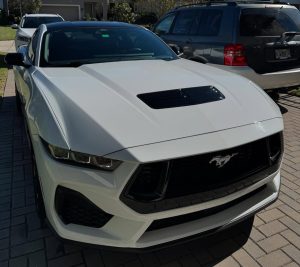
Will You Be Able to See the Film?
One of the biggest concerns customers have before installing Paint Protection Film is whether it will change the appearance of their vehicle.
With today’s premium films and professional installation techniques, the answer is usually no.
A properly installed Paint Protection Film should be extremely difficult to detect. The film remains crystal clear, allowing your vehicle’s original color and finish to shine through without distortion.
Many customers are surprised when they pick up their vehicle because they can’t tell the film is there at all.
In fact, one of the greatest compliments a professional installer can receive is hearing a customer say, “I can’t even tell it’s on the car.”
That nearly invisible appearance is the result of meticulous preparation, premium materials, and expert installation techniques.
Gloss, Satin, and Matte Options
Today’s Paint Protection Film offers more than just protection. It also gives vehicle owners options to customize the appearance of their vehicle.
Gloss PPF enhances the paint’s shine while maintaining the factory finish.
Satin PPF creates a smooth, muted appearance that transforms glossy paint into a sophisticated satin finish.
Specialized films are also available for vehicles with factory matte paint, allowing owners to protect their unique finish without changing its appearance.
No matter which finish you choose, the goal remains the same: preserving your vehicle while maintaining the look you love.
How Long Does Paint Protection Film Last?
One of the biggest advantages of modern Paint Protection Film is its longevity.
Unlike waxes that wear away in a matter of weeks or ceramic coatings that eventually require maintenance or replacement, high-quality Paint Protection Film is designed to protect your vehicle for many years.
Most premium films last between eight and ten years, depending on the product used, the quality of the installation, and how well the vehicle is maintained.
When professionally installed and properly cared for, PPF can continue protecting your vehicle throughout much of its ownership.
For many drivers, that means years of protection from rock chips, scratches, UV exposure, and everyday wear without worrying about the condition of their factory paint.
What Determines How Long Paint Protection Film Lasts?
Not all Paint Protection Film is created equal.
Several factors influence how well the film performs over time.
Film Quality
The quality of the film itself is one of the most important factors.
Premium manufacturers invest heavily in research and development to produce films that remain crystal clear, resist yellowing, and offer superior durability.
Lower-quality films may cost less initially, but they often become cloudy, discolor, crack, or peel much sooner.
Choosing a reputable installer who uses premium products can significantly extend the life of your investment.
Professional Installation
Even the highest-quality film won’t perform as intended if it’s installed improperly.
Poor installation can lead to lifting edges, trapped contamination, visible seams, bubbles, or premature failure.
An experienced installer takes the time to properly prepare the vehicle, align each panel precisely, and wrap edges whenever possible to create a cleaner appearance and longer-lasting installation.
Vehicle Care
Routine maintenance also plays an important role in extending the life of Paint Protection Film.
Keeping the vehicle clean prevents contaminants from sitting on the surface for extended periods.
Removing bug splatter, bird droppings, tree sap, and other debris promptly helps keep the film looking its best while protecting the coating built into many premium films.
Simple maintenance can add years to the life of your Paint Protection Film.
Does Florida’s Climate Affect Paint Protection Film?
Florida’s climate presents unique challenges for every vehicle.
Constant sunshine, high temperatures, humidity, and year-round UV exposure place tremendous stress on automotive finishes.
Fortunately, premium Paint Protection Film is specifically designed to withstand these harsh conditions.
The film acts as a protective barrier that shields your paint from UV damage while helping reduce oxidation and fading.
Like any exterior automotive product, however, the film will last longer when properly maintained.
Parking in a garage whenever possible, washing the vehicle regularly, and removing contaminants promptly all help maximize its lifespan.
What Kind of Warranty Should You Expect?
Most premium Paint Protection Film manufacturers offer warranties ranging from eight to ten years.
These warranties generally protect against manufacturing defects such as:
- Yellowing
- Cracking
- Bubbling
- Delamination
- Premature failure
Warranty coverage varies by manufacturer, so it’s always a good idea to ask your installer exactly what is covered before installation begins.
Working with an authorized installer also ensures that the manufacturer’s warranty remains valid.
When Should Paint Protection Film Be Replaced?
Although premium Paint Protection Film is extremely durable, it isn’t intended to remain on a vehicle forever.
Eventually, every protective film reaches the end of its service life.
Signs that it may be time for replacement include:
- Cracking
- Peeling edges
- Noticeable discoloration
- Excessive wear
- Physical damage from impacts
Replacing aging film before it begins deteriorating makes removal much easier and allows a fresh layer of protection to be installed with minimal effort.
Waiting too long can make removal more difficult as older adhesives become increasingly stubborn over time.
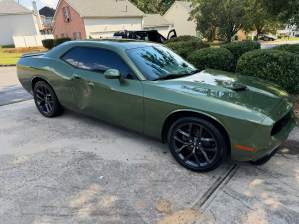
Caring for Paint Protection Film
One of the reasons many vehicle owners love Paint Protection Film is that it requires very little maintenance.
Simple routine care is usually enough to keep it looking excellent for years.
Wash Your Vehicle Regularly
Routine washing removes dirt, road grime, insects, and other contaminants before they have an opportunity to build up.
Hand washing remains the preferred method because it’s gentler on both your paint and your Paint Protection Film.
Using a quality microfiber wash mitt, pH-neutral automotive soap, and clean water helps preserve the finish while minimizing the risk of scratches.
Are Pressure Washers Safe?
Yes, pressure washers can safely be used on vehicles protected with Paint Protection Film.
The key is using proper technique.
Avoid holding the spray nozzle extremely close to the edges of the film, as excessive pressure directed at one spot could lift the edge over time.
When used responsibly, pressure washers are an excellent way to remove dirt and debris without harming the film.
Avoid Automatic Car Washes
Automatic brush-style car washes can be harsh on any vehicle finish.
The brushes often contain dirt and debris left behind by previous vehicles, increasing the risk of scratches and swirl marks.
Hand washing provides the safest and most effective way to maintain both your Paint Protection Film and your vehicle’s overall appearance.
Touchless car washes are generally a better alternative if hand washing isn’t possible, but they still shouldn’t replace regular proper maintenance.
Use the Right Cleaning Products
Paint Protection Film is relatively easy to care for.
Most routine washing requires nothing more than:
- pH-neutral automotive shampoo
- Soft microfiber towels
- Clean water
Avoid harsh chemicals, abrasive cleaners, and aggressive polishing compounds unless specifically recommended for Paint Protection Film.
Using the proper products helps preserve both the appearance and longevity of the film.
Tips for Maximizing the Life of Your Paint Protection Film
A few simple habits can help you get the most from your investment.
To keep your Paint Protection Film looking its best:
- Wash your vehicle regularly.
- Remove bug splatter and bird droppings promptly.
- Clean tree sap before it hardens.
- Park in a garage or shaded area whenever possible.
- Use pH-neutral automotive soap.
- Avoid brush-style automatic car washes.
- Rinse road salt, dirt, and contaminants off the vehicle regularly.
- Schedule periodic inspections if you notice damage to the film.
These simple maintenance practices help preserve both the Paint Protection Film and the beautiful factory finish underneath.
Protection That Lasts for Years
Paint Protection Film is designed to give vehicle owners confidence every time they get behind the wheel.
Instead of worrying about every rock on the highway or every scratch in a parking lot, you can simply enjoy driving your vehicle, knowing its original paint is protected by one of the most advanced automotive protection products available.
With quality materials, professional installation, and routine maintenance, Paint Protection Film can help your vehicle maintain its appearance for many years while protecting one of its most valuable assets, the original factory finish.
How Much Does Paint Protection Film Cost?
One of the first questions most vehicle owners ask is, “How much does Paint Protection Film cost?”
The answer depends on several factors, including the size of your vehicle, the areas you want to protect, the type of film being installed, and the quality of the installation.
While Paint Protection Film requires a larger upfront investment than waxes or ceramic coatings, it’s important to look beyond the initial price tag.
PPF isn’t simply another detailing service. It’s a long-term investment in preserving your vehicle’s factory paint, reducing future repair costs, and helping maintain its value over time.
When viewed over the lifespan of the film, many vehicle owners find that Paint Protection Film pays for itself by preventing expensive paint repairs and helping the vehicle retain its appearance for years.
Why Does Paint Protection Film Cost More Than Other Paint Protection Options?
Installing Paint Protection Film is one of the most labor-intensive services performed in the automotive appearance industry.
Every installation involves far more than simply applying film to a vehicle.
Before installation even begins, the vehicle must be thoroughly cleaned, inspected, and prepared. Depending on its condition, paint correction or other prep work may be necessary to ensure the film is applied to a perfectly clean surface.
Once preparation is complete, each section of film is carefully positioned, stretched, aligned, and secured by hand.
Unlike many automotive services that can be completed in just a few hours, a Paint Protection Film installation may require several days of meticulous work.
In addition to the labor involved, premium Paint Protection Film itself is a high-end material engineered to provide years of protection while remaining virtually invisible.
Quality materials and skilled craftsmanship are what make professional Paint Protection Film such a valuable investment.
Why Do Prices Vary Between Installers?
If you’ve requested quotes from multiple shops, you’ve probably noticed that prices can vary significantly.
Although it may be tempting to choose the lowest estimate, price alone rarely tells the full story.
Several factors influence the cost of a Paint Protection Film installation, including:
- The quality of the film
- The experience of the installer
- The amount of preparation performed
- Installation techniques
- Warranty coverage
- The complexity of the vehicle
Some shops reduce prices by using lower-quality film that may discolor, crack, or fail sooner than premium products.
Others may reduce labor costs by rushing installations or skipping important preparation steps.
At first glance, these shortcuts may not be noticeable. Over time, however, they can lead to peeling edges, trapped contamination, visible seams, and a shorter lifespan.
A quality installation is an investment that continues to pay dividends for years.
The Hidden Cost of Choosing the Cheapest Installer
Everyone appreciates saving money, but Paint Protection Film is one service where choosing the lowest price can become much more expensive in the long run.
A poorly installed film may develop problems such as:
- Lifting edges
- Air bubbles
- Trapped dirt beneath the film
- Visible seams
- Wrinkles
- Premature peeling
- Poor overall appearance
Correcting these issues often requires removing the entire installation and starting over, adding significantly to the total cost.
More importantly, if low-quality film fails prematurely, your vehicle may be left without the protection you expected.
When it comes to Paint Protection Film, quality workmanship is every bit as important as the product itself.
What Should You Consider Besides Price?
Rather than focusing only on cost, compare the overall value you’re receiving.
Before choosing an installer, consider questions such as:
- What brand of Paint Protection Film do they use?
- Is the installer certified?
- What warranty is included?
- How long have they been installing PPF?
- What do customer reviews say?
- Can they provide examples of previous work?
- How much preparation is included before installation?
- Do they wrap edges whenever possible for a cleaner finish?
The answers to these questions often reveal much more about the quality of an installation than the price alone.
How Proper Installation Protects Your Investment
The purpose of Paint Protection Film is to preserve your vehicle’s original factory finish for years.
That goal can only be achieved when the film is installed correctly.
Professional installation helps ensure:
- Better adhesion
- Cleaner edges
- Fewer visible seams
- Longer-lasting performance
- Improved appearance
- Easier maintenance
When the film is eventually removed years later, the paint underneath should still look remarkably close to the day it was installed.
That’s the true value of professional Paint Protection Film.

How to Choose the Right Paint Protection Film Installer
Choosing the right installer is just as important as choosing the right film.
Even the highest-quality Paint Protection Film cannot compensate for poor workmanship.
Taking a little time to research your options can make all the difference in the appearance and longevity of your investment.
Start With Customer Reviews
One of the best ways to evaluate an installer is by reading customer reviews.
Look for consistent feedback about:
- Quality workmanship
- Attention to detail
- Customer service
- Professionalism
- Communication
- Long-term satisfaction
A strong reputation built over hundreds of satisfied customers is often a good indicator that you’re dealing with an experienced shop.
Ask About Certifications
Professional certifications demonstrate that an installer has received training on specific Paint Protection Film products and installation techniques.
Many premium film manufacturers authorize only trained installers to purchase and install their products.
Choosing a certified installer helps ensure you’re receiving genuine materials installed according to manufacturer standards.
Ask Which Brand of Film They Use
Not all Paint Protection Films perform the same.
Ask your installer which brand they recommend and why.
A reputable shop should be happy to explain:
- Warranty coverage
- Expected lifespan
- Self-healing features
- Available finishes
- Maintenance requirements
Knowing exactly what’s being installed gives you confidence in your investment.
Look at Completed Work
Before committing to an installer, ask to see examples of completed vehicles.
Pay close attention to:
- Clean edges
- Smooth finishes
- Consistent alignment
- Invisible seams
- Overall appearance
Professional shops take pride in their work and are usually eager to showcase previous installations.
Visit the Shop
Whenever possible, visit the facility in person.
A clean, organized workspace often reflects the level of care that goes into each installation.
You’ll also have the opportunity to meet the team, ask questions, and see how vehicles are handled throughout the process.
The Best Paint Protection Film Installation Is the One You Never Notice
Ironically, the best Paint Protection Film installation is almost invisible.
When the preparation is meticulous, the film is expertly installed, and the edges are properly wrapped, most people won’t even realize the vehicle is protected.
That’s the standard every professional installer should strive for.
Choosing an experienced shop may cost more initially, but the results often speak for themselves every time you walk up to your vehicle.
Frequently Asked Questions About Paint Protection Film
Even after learning about the benefits of Paint Protection Film, many vehicle owners still have a few questions before making a decision. Here are answers to some of the questions we hear most often.
Will Paint Protection Film Change the Appearance of My Vehicle?
No. Modern Paint Protection Film is designed to be virtually invisible when professionally installed.
Premium films are crystal clear and allow your vehicle’s original color, depth, and gloss to shine through without altering its appearance.
Many customers are surprised when they pick up their vehicle because they can’t tell the film is there at all.
Does Paint Protection Film Turn Yellow?
This is one of the biggest myths surrounding Paint Protection Film.
Older generations of PPF had a reputation for yellowing over time, especially lower-quality products that were commonly installed years ago.
Today’s premium films are engineered to resist yellowing, cracking, and discoloration, allowing them to maintain excellent clarity throughout their lifespan.
Choosing a high-quality product installed by an experienced professional makes all the difference.
Can You See the Edges of the Film?
A professional installation should be extremely difficult to detect.
Whenever possible, installers wrap or tuck the edges around the panels to create a seamless appearance.
While some edges may still be visible in certain locations depending on the design of the vehicle, the goal is always to make the film as invisible as possible.
Is Paint Protection Film Only for New Cars?
Not at all.
Although many customers choose to install Paint Protection Film immediately after purchasing a new vehicle, it’s also an excellent option for vehicles that are a few years old.
If the paint is still in good condition, protecting it now can help prevent future damage and preserve its appearance for many years.
If the paint has existing imperfections, paint correction may be recommended before installation to achieve the best possible results.
Can Paint Protection Film Be Removed?
Yes.
One of the advantages of Paint Protection Film is that it can be professionally removed and replaced when it reaches the end of its service life.
When quality film has been installed correctly and removed at the appropriate time, the original factory paint underneath often remains in outstanding condition.
Is Paint Protection Film Installation Worth the Investment?
For many vehicle owners, paint protection film installation is worth the investment because it protects the vehicle’s original factory finish from everyday damage.
Paint Protection Film helps reduce rock chips, scratches, UV damage, and everyday wear while preserving one of the most valuable parts of your vehicle, its original factory finish.
Whether your goal is maintaining resale value, protecting a new purchase, or simply keeping your vehicle looking its best, PPF offers long-term benefits that many owners find well worth the investment.
Common Myths About Paint Protection Film
Like many automotive products, Paint Protection Film has developed a few misconceptions over the years.
Let’s separate fact from fiction.
Myth: Paint Protection Film Turns Yellow
Modern premium Paint Protection Film is designed to resist yellowing and maintain exceptional clarity for years.
Myth: You Can Always See the Film
A properly installed Paint Protection Film should blend seamlessly with your vehicle’s finish and be difficult to detect.
Myth: Only Luxury Cars Need Paint Protection Film
Every vehicle is exposed to road debris, UV rays, insects, and scratches.
Whether you drive a luxury sports car, a pickup truck, or a family SUV, your paint benefits from added protection.
Myth: Paint Protection Film Is Too Expensive
While PPF requires an upfront investment, it often costs far less than repairing damaged paint or repainting multiple panels over the life of a vehicle.
Myth: Ceramic Coating Does the Same Thing
Ceramic coatings and Paint Protection Film are designed for different purposes.
Ceramic coatings help repel water and contaminants while enhancing gloss.
Paint Protection Film provides a physical barrier that protects against impacts, scratches, and rock chips.
Many vehicle owners choose both for the ultimate level of protection.
Real Stories That Show the Value of Paint Protection Film
Sometimes the best way to understand the value of Paint Protection Film is through real-world experience.
One customer traded in a Honda Accord that had professionally installed Paint Protection Film on the front end. During the inspection, the dealership recognized how well the paint had been preserved and increased the trade-in value by approximately $3,000.
Another customer struck debris on the highway that scraped across the front bumper. Although the impact left significant damage on the Paint Protection Film itself, the original paint underneath remained untouched. Replacing the damaged film restored the bumper’s appearance without the need for repainting.
Smaller applications can be just as valuable.
Door handle cups protected with Paint Protection Film often prevent years of scratches caused by rings, fingernails, and keys. When the film is eventually removed, the paint beneath frequently looks as though it has never been touched.
These examples demonstrate why Paint Protection Film isn’t simply about preventing today’s scratches. It’s about preserving your vehicle’s condition for years to come.
Why Choose Ray’s Luxury Detailing as Your PPF Installer in Tampa?
Choosing the right PPF is only part of the decision. Choosing the right installer is equally important, especially when considering the harsh Tampa climate conditions.
At Ray’s Luxury Detailing, every installation begins with careful preparation because exceptional results start long before the film is applied.
Our team focuses on meticulous attention to detail, premium materials, and professional installation techniques that create a clean, nearly invisible finish.
Rather than rushing through installations, we take the time necessary to ensure each vehicle receives the level of care it deserves.
Whether you’re protecting a brand-new vehicle, preserving a collector car, or simply wanting your daily driver to look its best for years to come, our goal is to provide long-lasting protection and an exceptional customer experience.
Protect Your Investment Today
Your vehicle is one of the largest investments you’ll make, and every mile exposes it to hazards that can permanently damage its appearance.
Rock chips, road debris, UV rays, love bugs, bird droppings, and everyday wear are unavoidable, but permanent paint damage doesn’t have to be.
Paint Protection Film gives you the confidence to enjoy driving your vehicle while knowing its factory finish is protected by one of the most advanced automotive protection products available.
Whether you’re interested in protecting your front bumper, installing a full front package, or preserving your entire vehicle with full-body Paint Protection Film, investing in professional installation today can help your vehicle look newer for years to come.
If you’re ready to learn more about Paint Protection Film or would like recommendations tailored to your vehicle, contact Ray’s Luxury Detailing to schedule a consultation. Our team will answer your questions, explain your options, and help you choose the protection package that best fits your vehicle, your driving habits, and your budget.
Looking for Paint Protection Film Near You?
If you’re looking for paint protection film near you, Ray’s Luxury Detailing provides professional PPF installation for drivers throughout the Tampa area and surrounding Florida communities.
Our professional detailers serve Carrollwood, Cheval, Land O’ Lakes, Lutz, New Tampa, Odessa, Tampa, Tampa Palms, Wesley Chapel, and surrounding areas.
Explore our service areas to find out if Ray’s Luxury Detailing serves your community. Get in touch with our professional detailers today for a quote.